
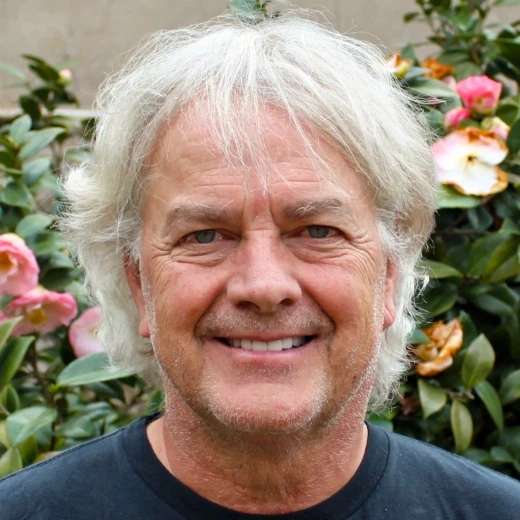
Stephen A. Smith, DVM
Executive Director
Southern Alliance for Clean Energy
Monday, October 12, 2026
Price for buffet lunch is $15 (includes complimentary parking in the hotel garage).
If you plan to eat, please This email address is being protected from spambots. You need JavaScript enabled to view it. October 9.
If you choose not to eat, a charge of $7 will cover parking and event arrangements.
The formal meeting begins at 11:45 a.m.
Energy planning, policy and implementation is highly volatile right now, with profound impacts on our global climate, local environment, economy and future.
Data centers, fossil generation, renewable energy and nuclear power are all in a confusing flux and debate heading into the midterm elections.
Smith will share some insights from the frontlines of this rapidly changing landscape. His nonprofit organization, the Southern Alliance for Clean Energy (SACE) promotes responsible and equitable energy choices for clean, safe and healthy communities throughout the Southeast.
SACE is a beacon for transparency and public accountability in the energy sector. Its 7th annual report on Transportation Electrification in the Southeast, released last month, assesses six market indicators: manufacturing investments; anticipated jobs; EV sales; charging infrastructure deployment; utility investments; and public funding.
In June SACE released Solar Boom Meets Solar Resistance, its 9th Solar in the Southeast annual report.
In addition to its other annual report series on Energy Efficiency and Decarbonization SACE publishes white papers as well as newsletters and offers webinars on these and many related topics.
Dr. Stephen Smith, has over 35 years of experience effecting positive change for the environment. Under his leadership since 1993, SACE has grown to be a premier voice for clean energy issues in the Southeast region.
Smith currently serves on the Knoxville Mayor’s Climate Council and the board of Floridians for Solar Choice.
In the past, he has served on the State of Tennessee Energy Policy Council, North Carolina Legislative Commission on Global Climate Change and the North Carolina Climate Action Planning Advisory Group, the South Carolina Climate, Energy and Commerce Advisory Committee, and two terms on the Tennessee Valley Authority’s Regional Energy Resource Council.
Smith holds a doctorate in veterinary medicine from the University of Tennessee and a Bachelor of Science in biology from Kentucky Wesleyan College. His family home has an 11-kilowatt rooftop solar photovoltaic (PV) system with battery storage. His other areas of interest include flying, sailing, scuba diving and beekeeping.
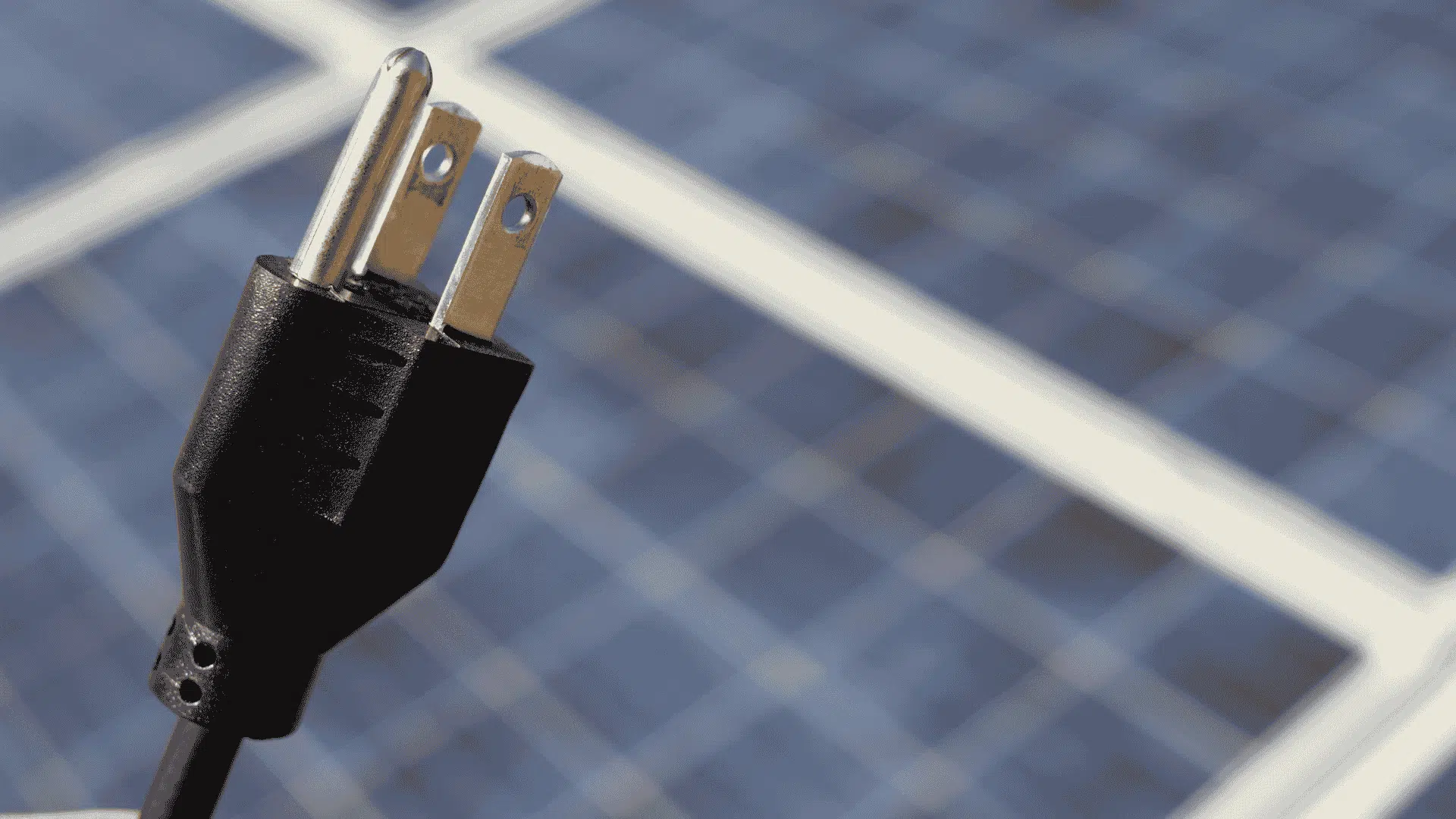 Small solar panels are generating big annual savings! As utility bills skyrocket, small plug-in solar systems are saving renters and homeowners up to $400 a year on their utility bills. A fraction of the cost of large rooftop solar systems, plug-in solar typically pays for itself in just two to five years. And they can be plugged directly into a standard wall outlet — no contractor required.
TSK History Note
On August 13, 2018 Stephen Smith spoke to TSK on “Proposed TVA power rate changes and renewable energy.”
Dr. Stephen Smith, Executive Director, Southern Alliance for Clean Energy, discussed the TVA power rate changes and renewable energy. Dr. Smith has been involved with energy policy and renewable energy for many years and he is in an excellent position to inform the Technical Society about the implications of the TVA proposals to change their electrical energy rates.
The power industry is in a state of major change because of the rise of renewable energy and the increasing distributed energy production. The cost of solar energy is now competitive with natural gas and many large energy users want to generate their own power.
The current TVA management is meeting these changes by taking a position that will delay the implementation of renewable power generation. By increasing the fixed portion of their charges they discourage consumers becoming more efficient. But long term TVA will have to adapt to the new reality and the new opportunities. It will require vision and creativity from the TVA management and this will only come if there is a public awareness and insistence on progress.
Dr. Smith did not mention it, but TVA agreed several years ago to finance some of their river operations with power revenue rather than through congressional appropriation and that distorts the cost of power.
Historically, the Technical Society has assisted in educating the public on important issues, but we have not published an educational paper in many years. The people of the entire Earth must cooperate to stop increasing the carbon dioxide content of the atmosphere, and making energy available from sources that do not produce carbon dioxide is a crucial part of the solution. TVA began as an organization that would solve problems caused by deforestation in a huge region and it needs to expand its vision and work to solve the problem caused by excessive use of fossil fuels — which it has participated in — and use its great impact to accelerate the implementation of solar energy production along with any other creative ways of reducing the dumping of carbon dioxide into the atmosphere.
Is this a time for the Technical Society to act, and do we have the people who will make the effort to educate the public about the need for action?
Bob Scott III, TSK Secretary
— The Technical Soupçon, September 2018
For more information on TSK and its meetings, please email TSK secretary, This email address is being protected from spambots. You need JavaScript enabled to view it. or call him at 865-679-9854.